Invasive Species Threatening Lake Biodiversity
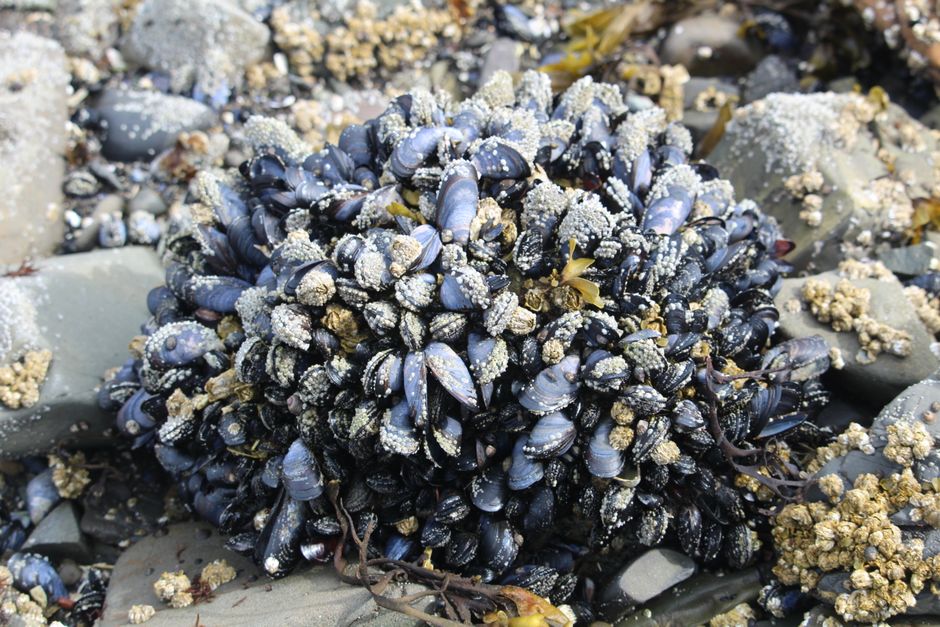
Lakes are among the most vulnerable freshwater ecosystems in the United Kingdom. The introduction of non-native species such as zebra mussels (Dreissena polymorpha) and hydrilla (Hydrilla verticillata) poses a significant challenge to native biodiversity. These invasive organisms can alter food webs, change water chemistry, and outcompete local flora and fauna. Understanding how they spread and what steps can be taken is essential for conservation efforts.
The spread of invasive species often follows pathways linked to human activity. Ballast water from ships, recreational boating equipment, and the aquarium trade are common vectors. Once established, invaders can rapidly expand their range, especially in interconnected water systems. The impacts are not always immediately visible but can accumulate over time, affecting everything from water clarity to fish populations.
Efforts to manage these invaders require a combination of prevention, early detection, and adaptive management strategies. No single approach guarantees success, as each lake system presents unique conditions. However, a coordinated approach involving researchers, local authorities, and the public can help mitigate the effects.
Pathways of Introduction and Spread
Invasive species do not cross continents on their own. Most introductions occur through human-mediated pathways. For zebra mussels, the primary vector in the UK has been ballast water discharged from commercial vessels. These small mussels can also attach to boat hulls, trailers, and fishing gear, allowing them to move between water bodies. Hydrilla is often introduced through the aquarium trade and can be spread by fragments clinging to boats or waterfowl. Canals and waterways that connect different catchments further facilitate dispersal. Once a population becomes established, natural water currents and wildlife can carry propagules downstream. Understanding these pathways is crucial for designing effective prevention measures.
In addition to international shipping, domestic movement of boats and equipment plays a significant role in spreading invaders between lakes. Anglers, kayakers, and sailing enthusiasts may inadvertently transport zebra mussel larvae in bilge water or hydrilla fragments on propellers. Biosecurity protocols, such as check-clean-dry campaigns, aim to reduce these risks. Public awareness of the need to inspect and clean equipment is an ongoing focus of conservation efforts.
Zebra Mussels: Filter Feeders with Far-Reaching Effects
Zebra mussels are small but highly efficient filter feeders. A single mussel can filter up to one litre of water per day, removing plankton and suspended particles. While this may initially improve water clarity, the long-term consequences are complex. The removal of phytoplankton reduces the food base for native zooplankton and small fish. Additionally, the mussels excrete nutrients in a concentrated form, which can shift the nutrient balance and promote algal blooms of potentially harmful cyanobacteria. Their attachment to hard surfaces also causes biofouling on water intake pipes, docks, and boat hulls, leading to economic costs.
The ecological impact extends beyond the immediate food web. By altering water clarity and nutrient dynamics, zebra mussels can favour certain species over others. For instance, increased light penetration may stimulate growth of benthic algae, while pelagic fish may find fewer prey items. In UK lakes where zebra mussels have become established, changes in fish community composition have been observed, though outcomes vary depending on the specific lake characteristics. Organisations such as Lake Insights continue to monitor these developments to inform local management decisions.
Hydrilla: The Dense Weed That Chokes Native Plants
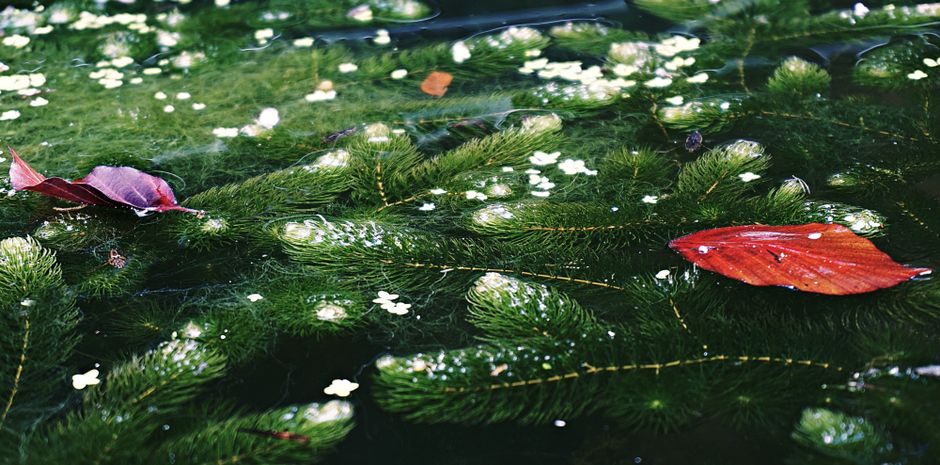
Hydrilla is a submerged aquatic plant known for its rapid growth and ability to form dense mats across lake surfaces. It can grow in low light conditions and tolerate a wide range of water temperatures. Once introduced, hydrilla outcompetes native aquatic plants for space and light. The dense vegetation reduces oxygen levels in the water, particularly at night, which can stress fish and other aquatic life. It also interferes with recreational activities such as swimming, boating, and fishing. In the UK, hydrilla is not yet widespread but has been reported in certain waterways. Early detection and rapid response are important to prevent its establishment.
The plant reproduces primarily through fragmentation, meaning that a single piece of stem can give rise to an entire new population. This makes controlling its spread particularly challenging. Mechanical removal can break plants into smaller fragments, potentially worsening the problem. Herbicide treatments exist but must be applied carefully to avoid harming native vegetation. Biological control agents, such as the hydrilla weevil (Euhrychiopsis lecontei), have been used in other regions with mixed success. In the UK, research into the feasibility of such methods is ongoing, and preventive measures remain the primary focus.
Detecting Invasive Species in UK Lakes
Early detection of invasive species can significantly improve the chances of successful management. Various methods are used in UK lakes to monitor for zebra mussels and hydrilla. Visual inspections of hard surfaces and boat hulls are common for zebra mussels. Water sampling for microscopic larvae (veligers) is also used during summer months. For hydrilla, remote sensing and aerial imagery can help identify dense plant beds. Environmental DNA (eDNA) analysis is becoming increasingly important; it involves collecting water samples and testing for genetic material shed by the organism. This technique can detect low densities that might be missed by traditional surveys.
Citizen science programmes also contribute by encouraging lake users to report unusual sightings. For instance, the Lake Insights monitoring network provides training materials and reporting platforms to assist these efforts. Volunteers learn to identify the key features of zebra mussels and hydrilla, and submit photographs and location data. This crowdsourced information helps create a more detailed picture of distribution patterns and can trigger early response actions. Combining professional surveys with community observations increases the likelihood of detecting new incursions promptly.
Management Approaches and Their Limitations
Managing invasive species once they are established is a complex task. For zebra mussels, control methods include physical removal (scraping, pressure washing), chemical treatments (e.g., biocides), and biological control using natural predators, though the latter remains experimental. For hydrilla, mechanical harvesting, herbicide application, and the introduction of weevils have been tried in various contexts. However, the effectiveness of each method depends on local conditions such as water temperature, flow rate, and the extent of infestation. Moreover, treatments can have unintended effects on non-target species and water quality.
Prevention remains the most reliable strategy. This includes boat inspection and cleaning stations, regulations on the movement of watercraft, and public awareness campaigns. Adaptive management—where techniques are adjusted based on ongoing monitoring—is often recommended. No single approach can guarantee eradication; rather, the goal is often to contain populations and minimise ecological impact. Long-term commitment is required, as invasive species can persist even after control measures are applied. Collaboration among landowners, water users, and conservation groups is essential for implementing consistent strategies across different catchments.
The Role of Public Participation in Lake Conservation
Members of the public can play a valuable role in limiting the spread of invasive species. Simple actions such as cleaning, draining, and drying boats and equipment before moving between water bodies can prevent accidental transport. Anglers and paddlers are encouraged to remove any visible plants or animals from their gear. Reporting sightings of suspected invasive species to local authorities or conservation groups helps build a more complete picture of their distribution. In the UK, organisations like Lake Insights offer guidance on identifying zebra mussels and hydrilla, as well as instructions for submitting records.
Public involvement not only increases the number of eyes on the water but also fosters a broader culture of environmental stewardship. While no single action can halt the invasion entirely, collective efforts contribute to reducing the rate of spread. Educational initiatives, such as signage at boat ramps and workshops for water users, raise awareness of the risks. By participating in monitoring programmes and following biosecurity guidelines, individuals help protect lake biodiversity for future generations.
In summary, the threat posed by zebra mussels and hydrilla to lake biodiversity is a growing concern in the United Kingdom. Their spread is driven by human activities, and their ecological impacts are multifaceted. Monitoring and management require a sustained commitment from scientists, policymakers, and the public. By understanding the pathways of invasion and applying a range of detection and control measures, it may be possible to protect the ecological integrity of UK lakes for future generations.