# Lake Origins
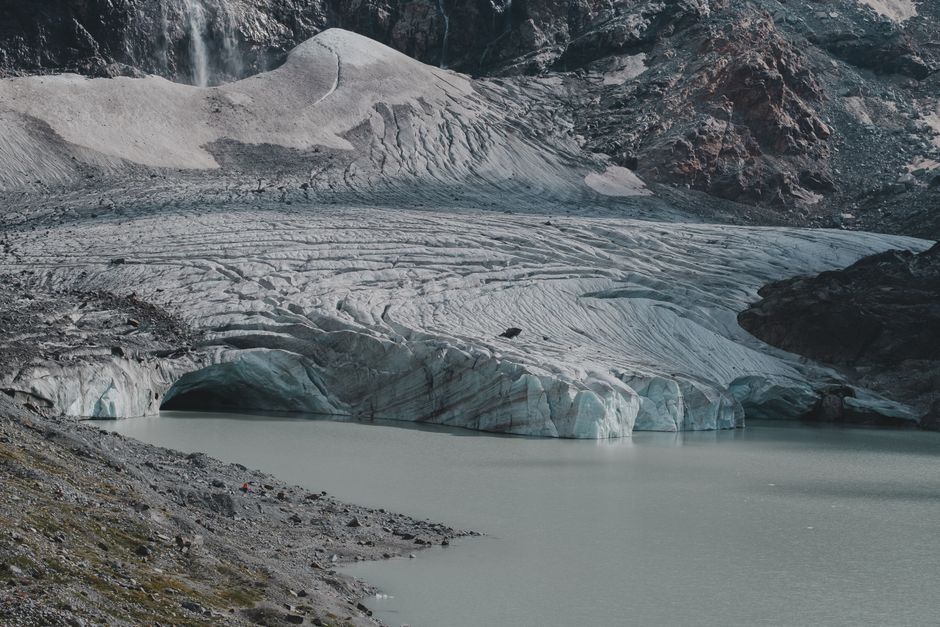
How Glacial Lakes Form and Change Over Time
Glacial lakes are created by ice erosion and retreat. Learn about their…
Read
Lakes are dynamic freshwater systems shaped by geological history and climatic conditions. Their ecology involves complex interactions among nutrients, light penetration, temperature layers, and aquatic organisms. From oligotrophic mountain tarns to eutrophic lowland reservoirs, each lake has unique physical and biological characteristics that influence its biodiversity and water quality.
When planning a visit, consider factors such as water depth, currents, and potential hazards like submerged objects or sudden weather changes. Always research local guidelines and carry appropriate equipment. Understanding the lake’s geography—its inflow sources, outflow, and shoreline features—can enhance both safety and appreciation of the landscape.
By combining knowledge of ecology with careful preparation, you can enjoy a meaningful and responsible exploration of the world’s lakes.